Soil Water Samplers (Suction Cups) and Suction Plates for Soil Solution Sampling
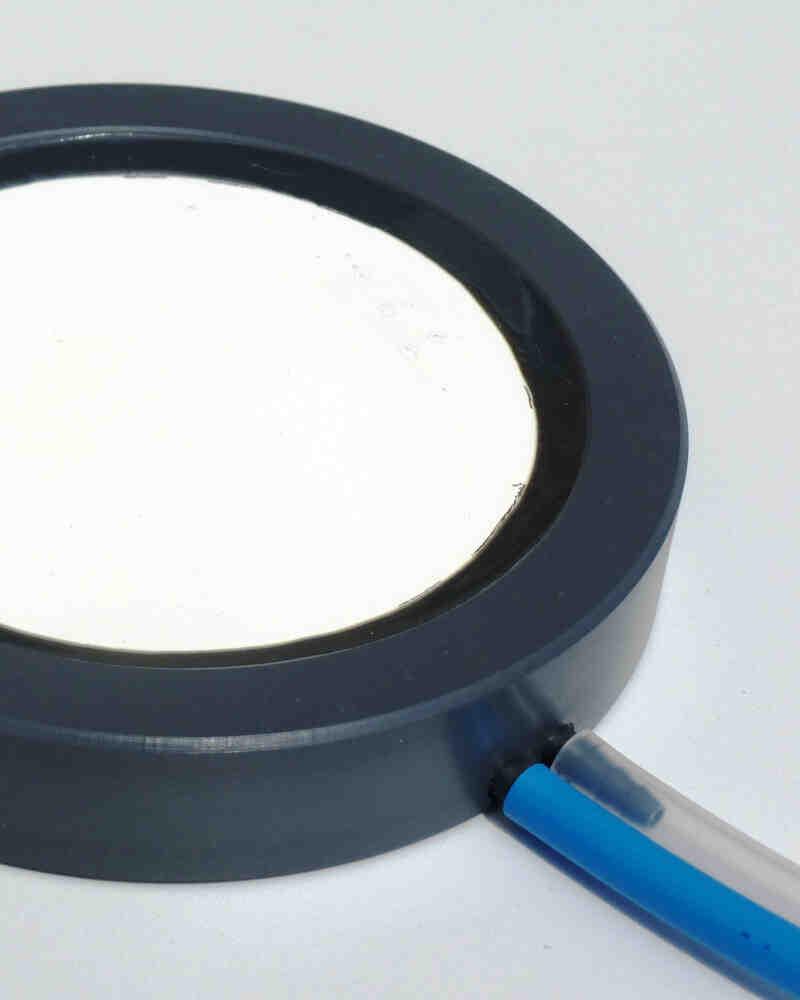
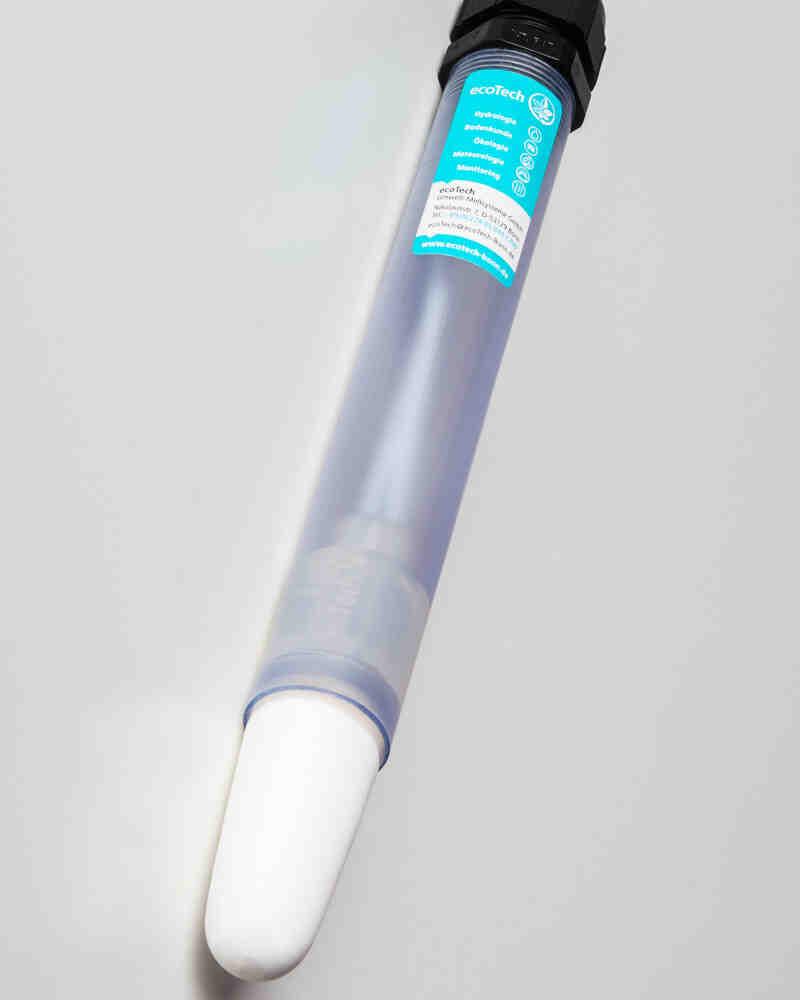
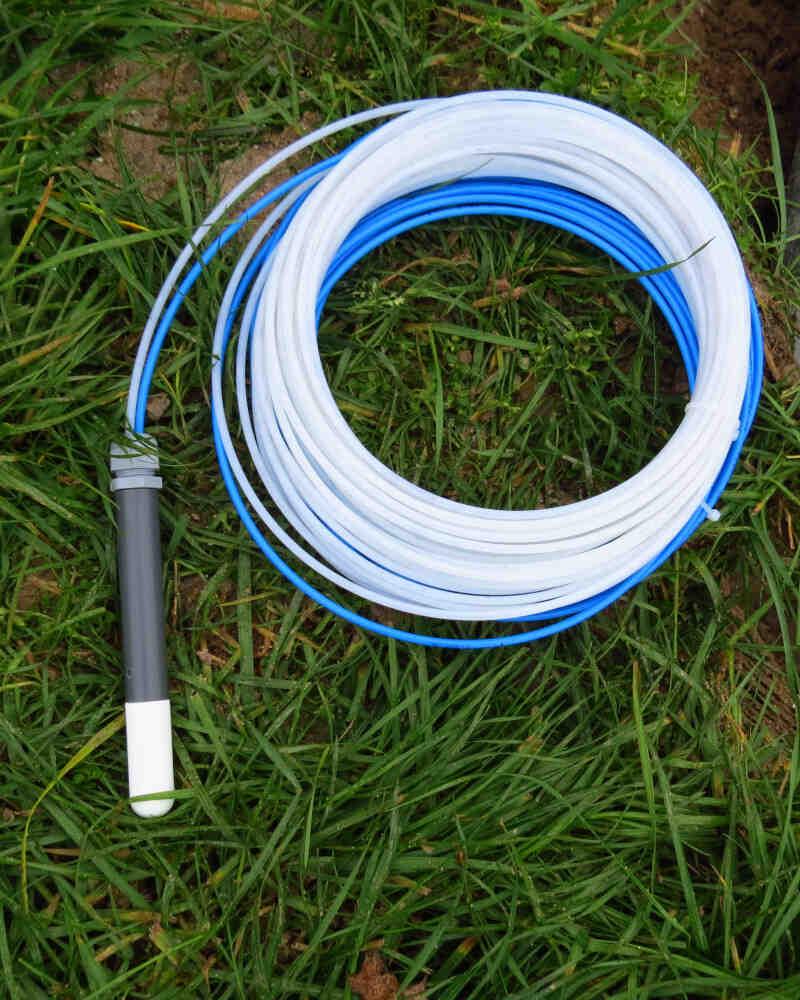
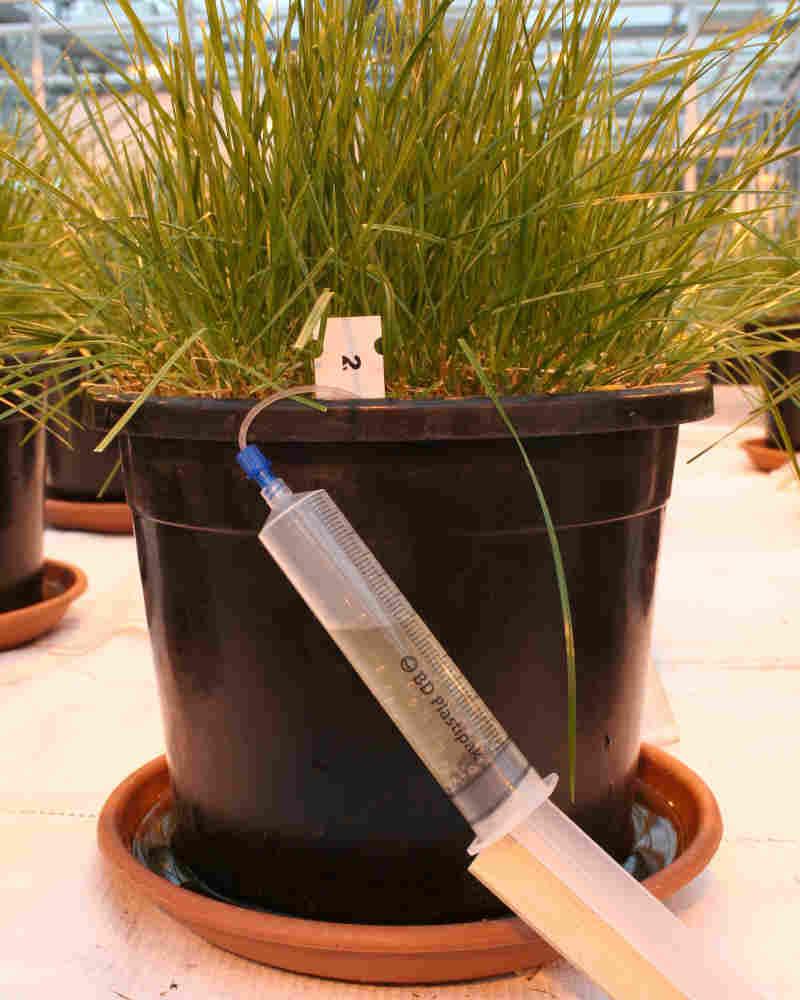
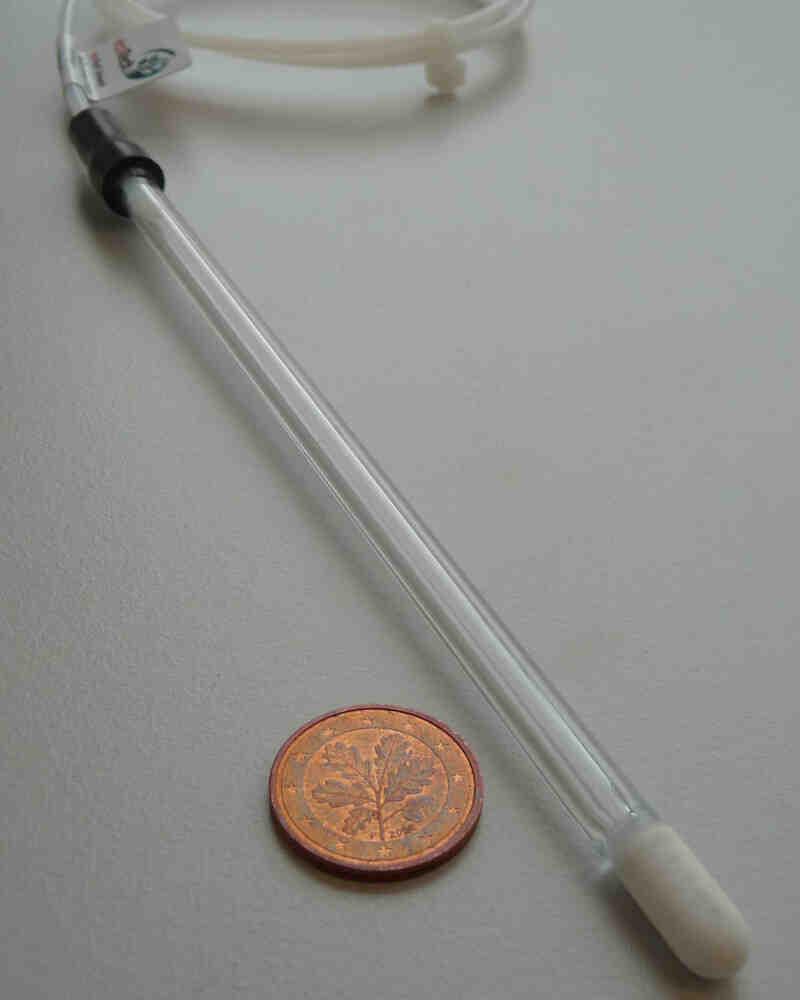
ecoTech offers soil water samplers, also known as suction cups or suction lysimeters, as well as suction plates and vacuum systems for collecting leachate, soil solution and pore water in field and laboratory applications. Soil water samplers are used to collect samples from defined depths. In addition to the sampling geometry, the filter material, hydraulic contact with the soil and the vacuum concept are key factors in obtaining representative samples.
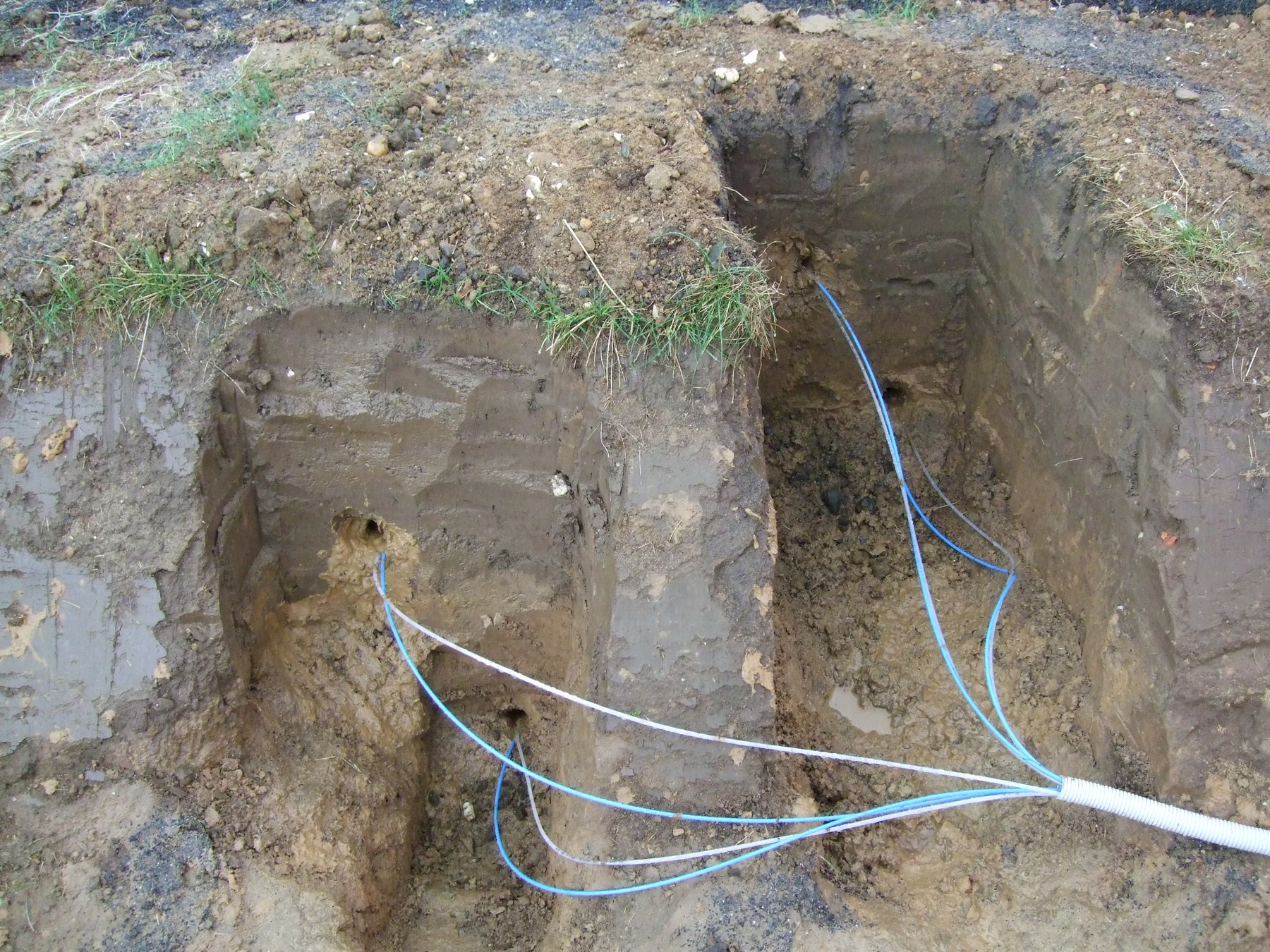
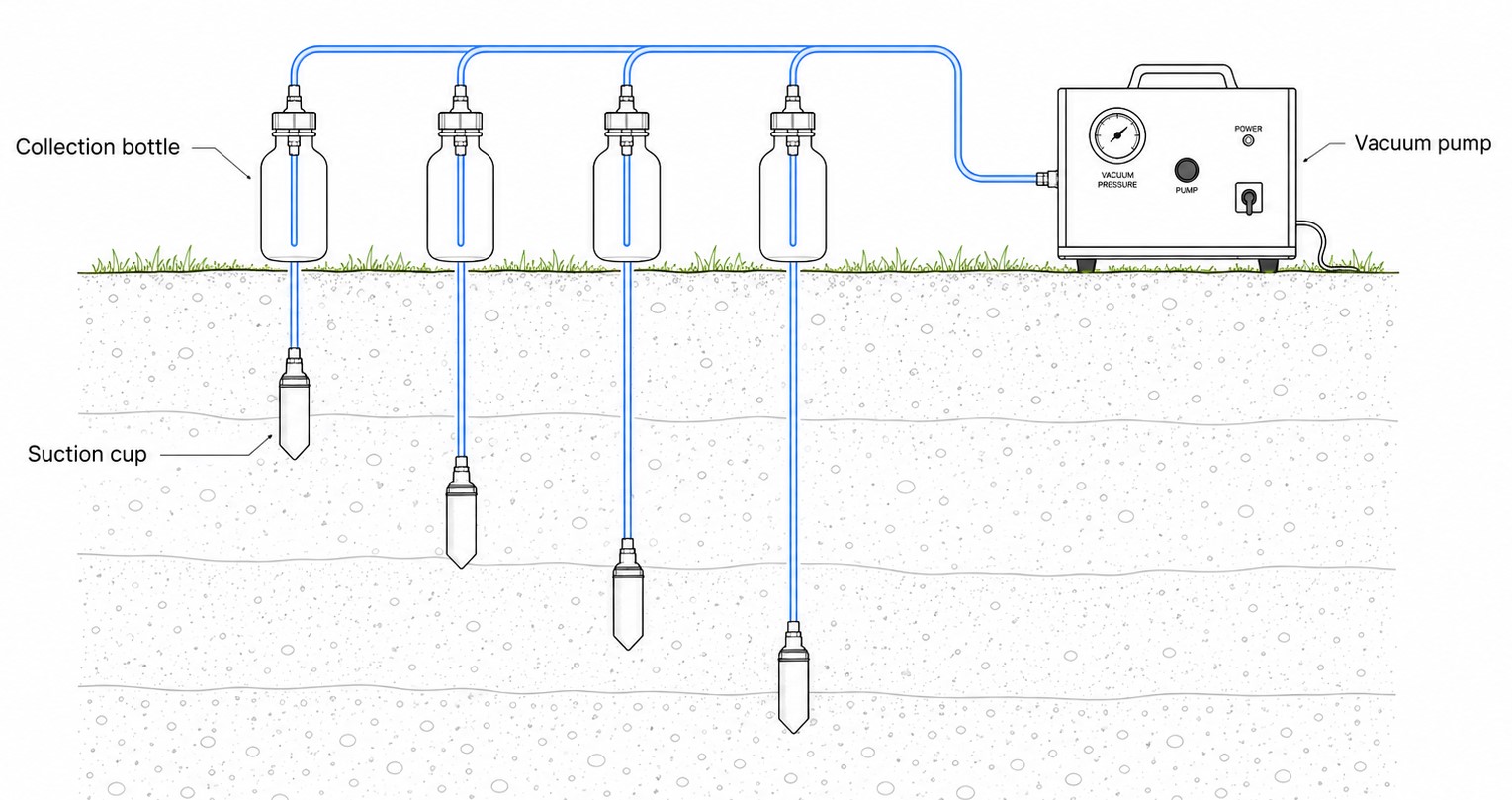
Click image to enlarge
Products at a Glance
The appropriate solution depends on the required sampling geometry, target analytes and sampling concept. ecoTech combines suction cups or suction plates with vacuum and sampling technology matched to the experimental setup.
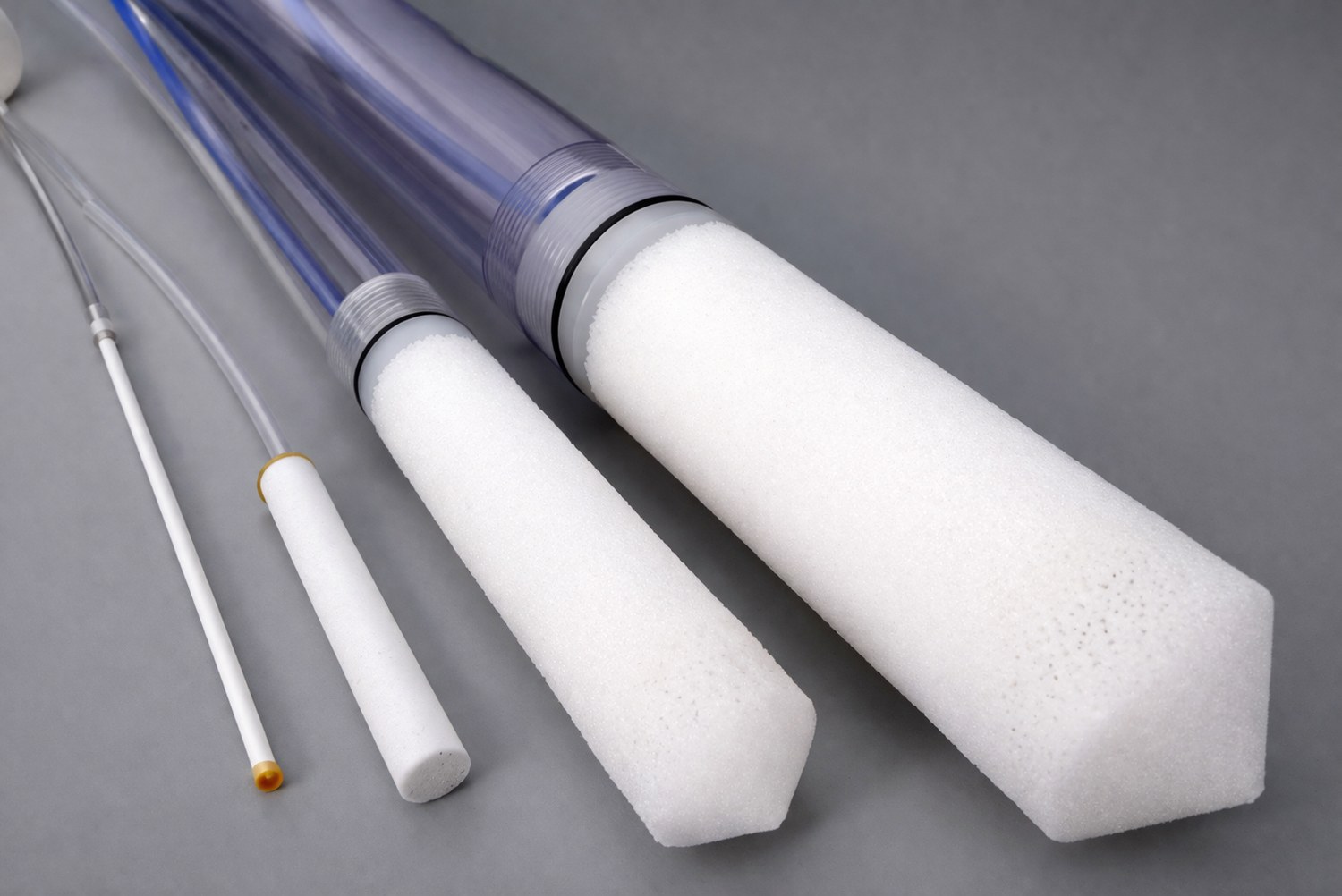
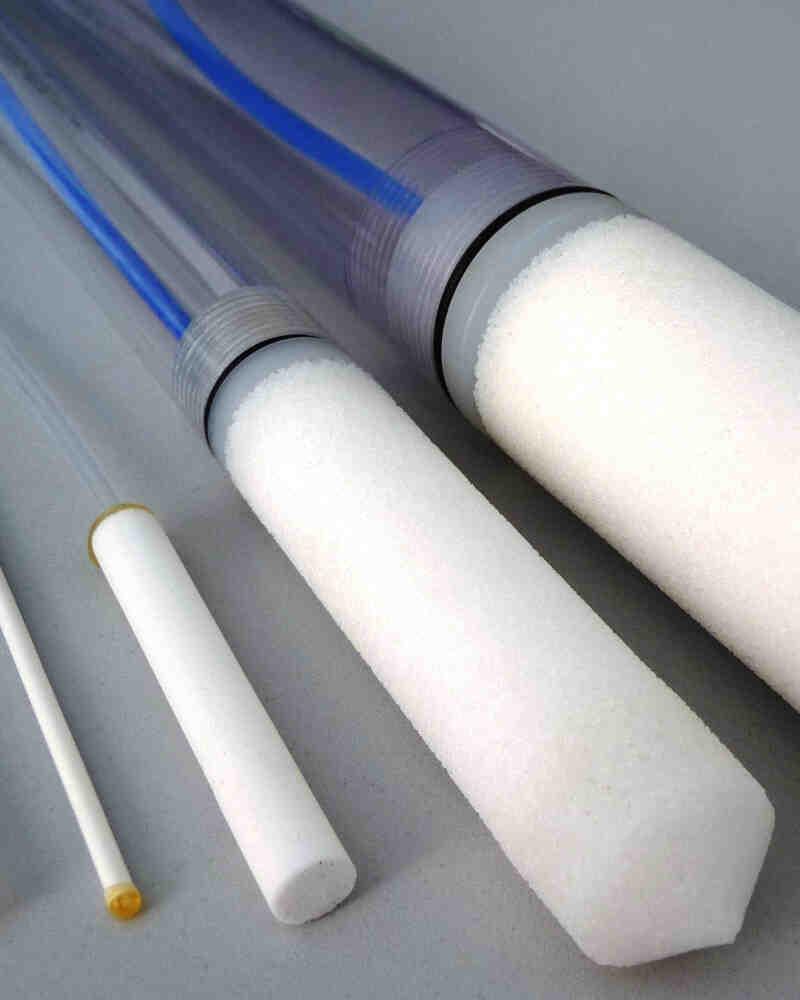
Suction Cups
For point-based and depth-specific soil solution sampling as well as repeated measurements at the same sampling location.
- lower installation effort than suction plates
- well suited to multiple sampling locations and depths
- glass, plastic and ceramic depending on the target analytes
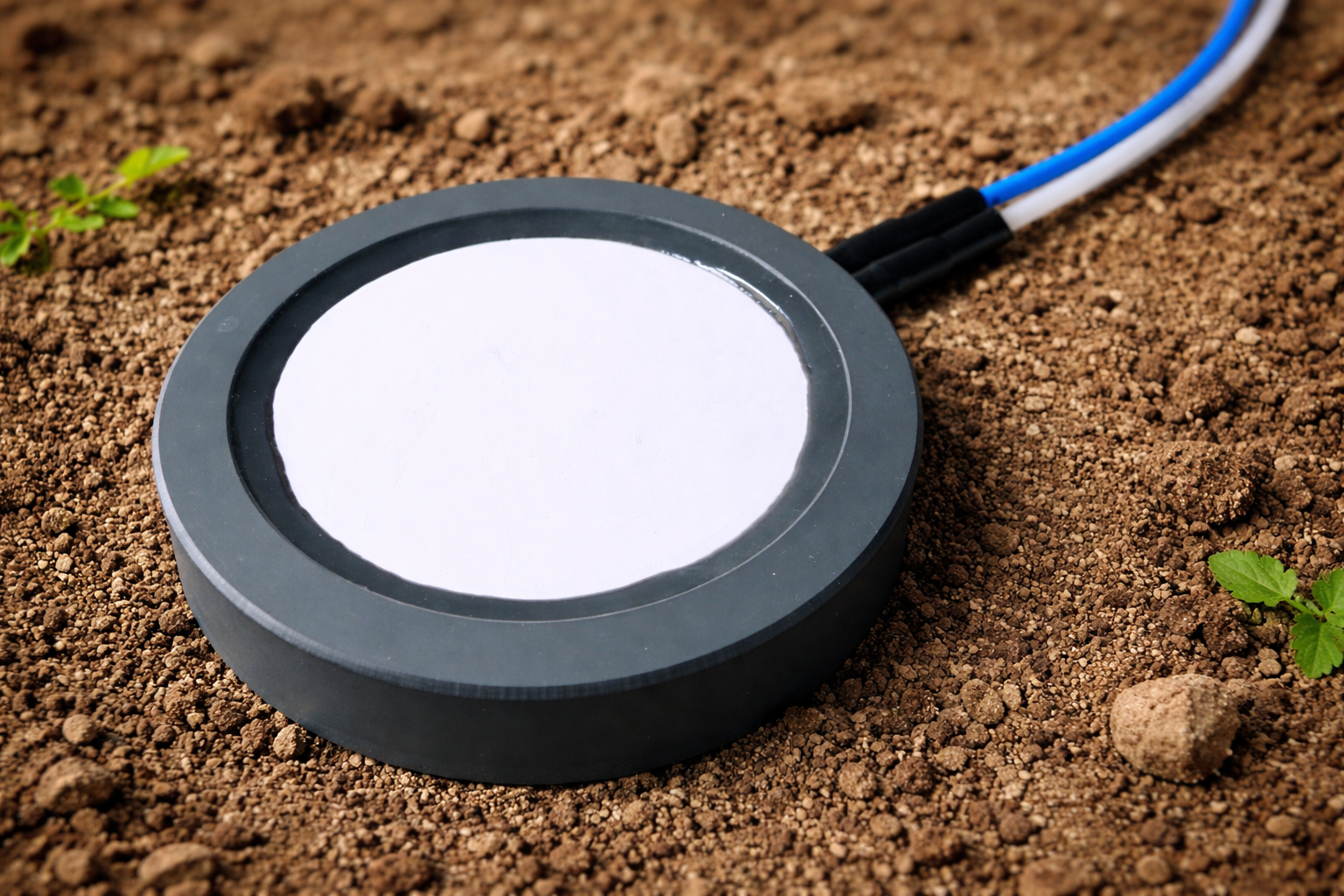
Suction Plates
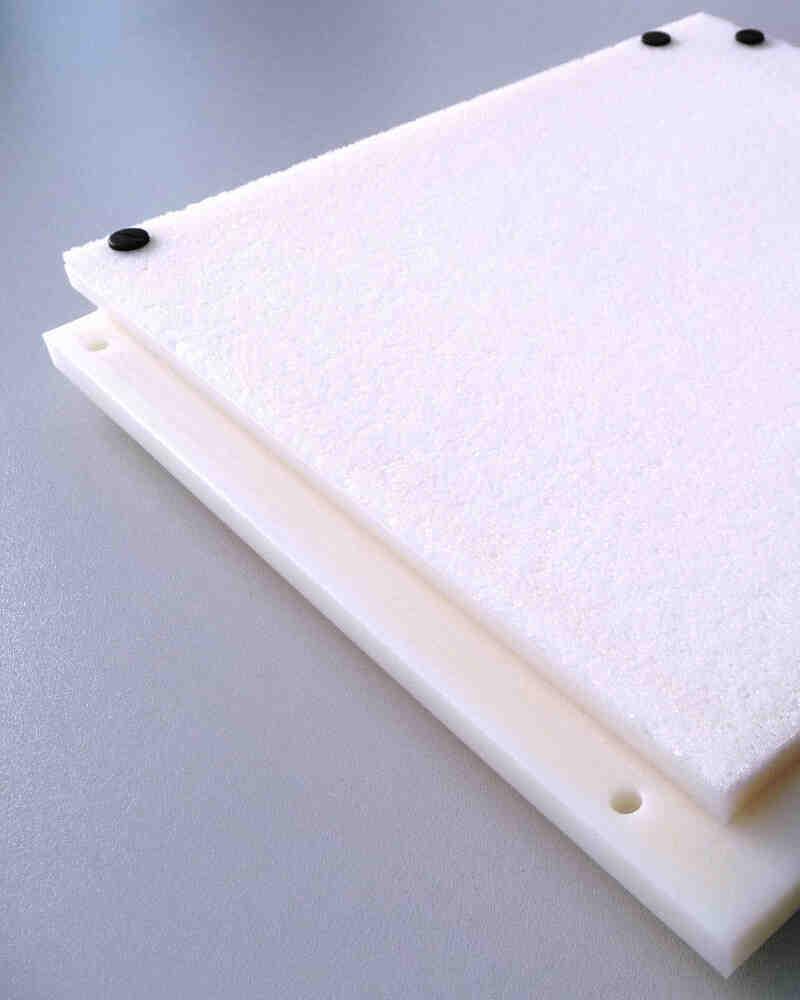
For a larger collection area and applications requiring a more clearly defined area reference for the sampled soil solution.
- for area-based assessment of solute fluxes
- glass and plastic versions
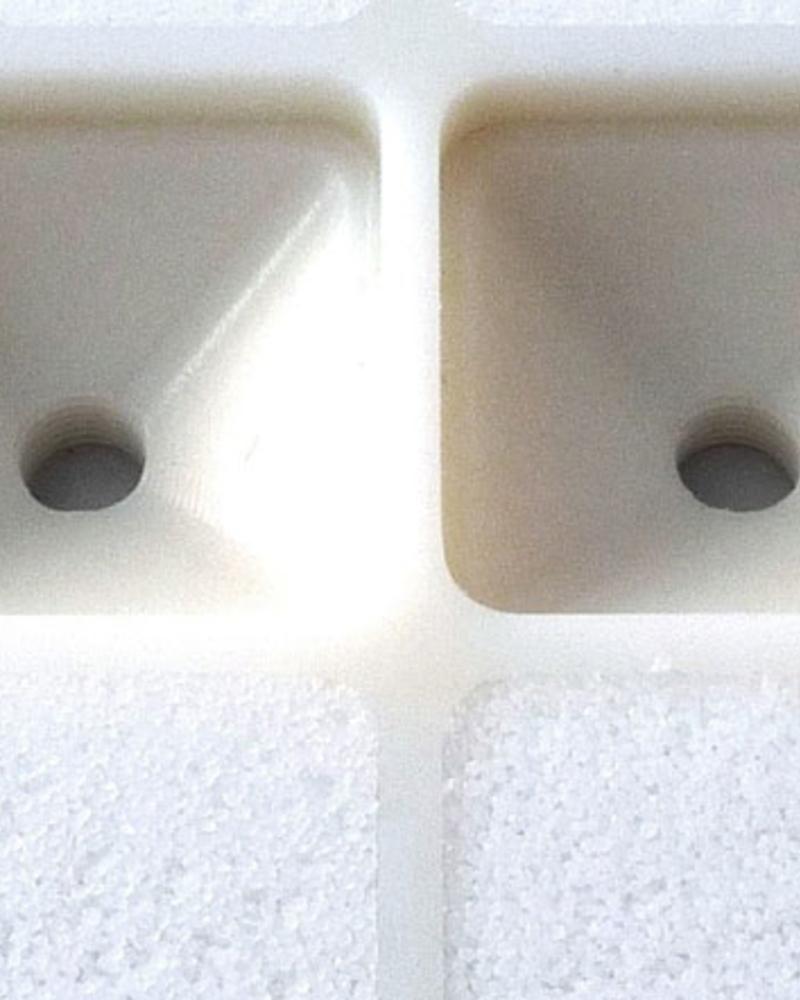
- multi-segment versions for spatially resolved experiments
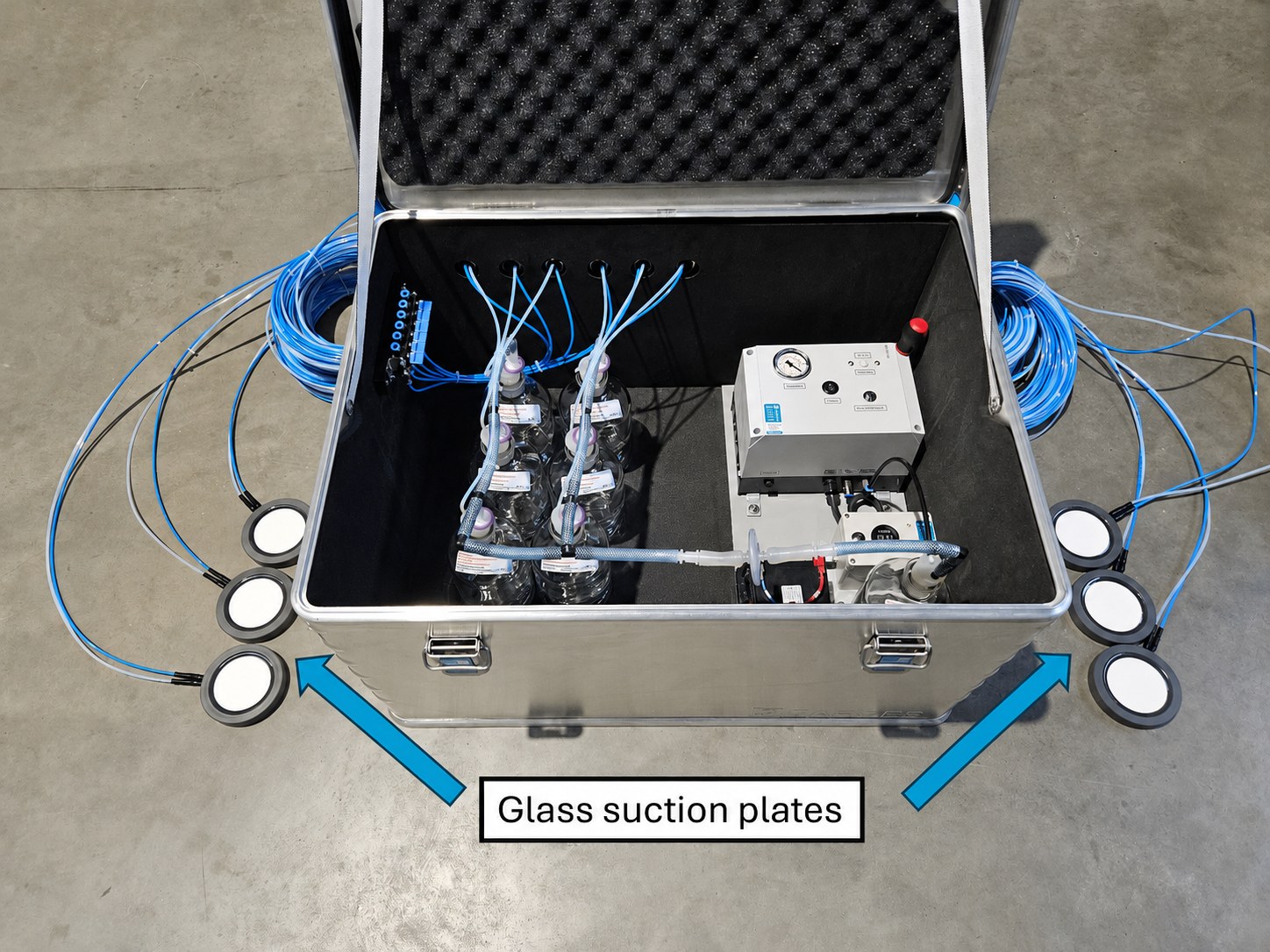
Vacuum and Sampling Systems
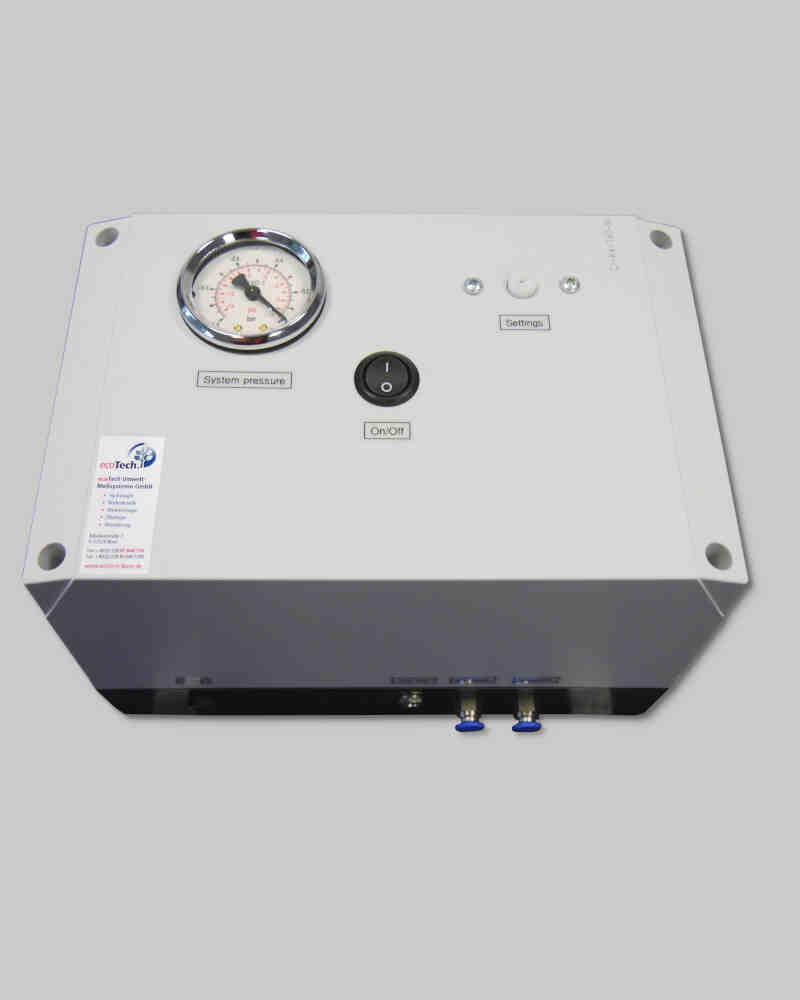
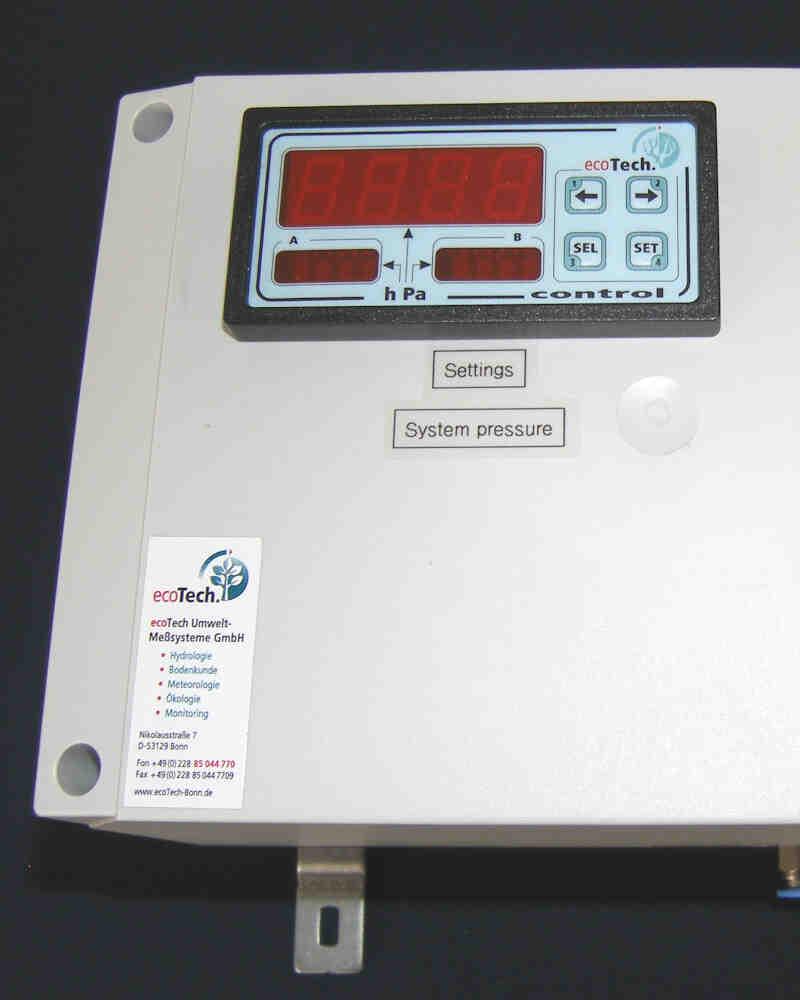
For generating, regulating and monitoring the vacuum and for reliable collection of soil solution.
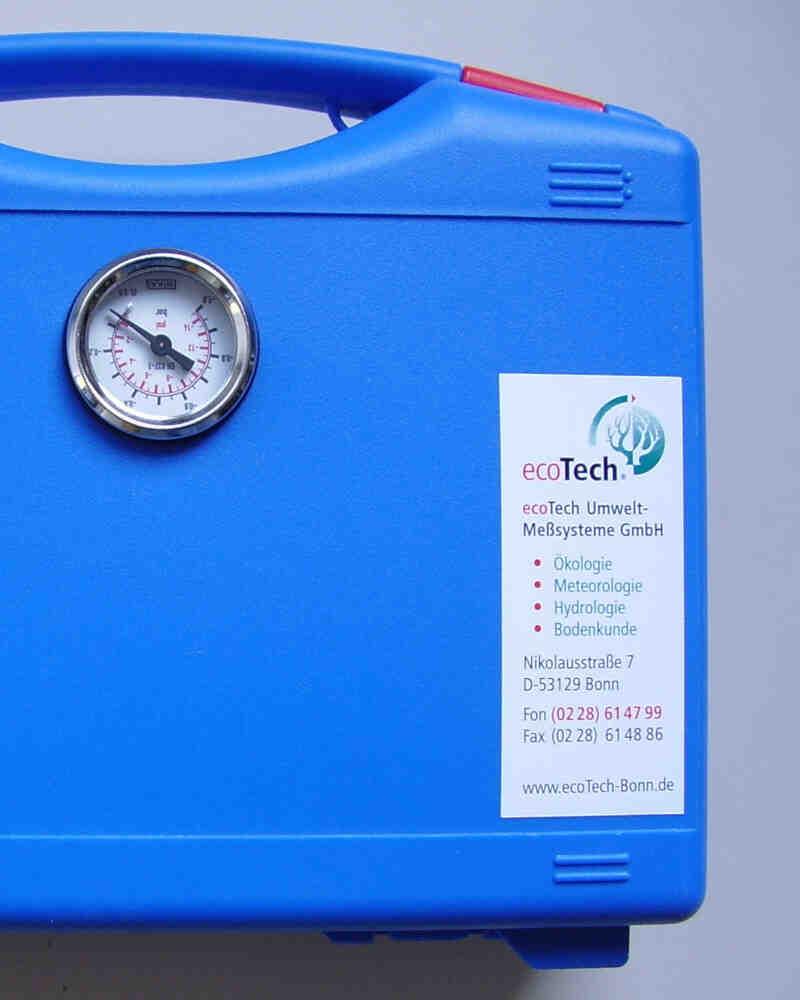
- mechanical and electronic vacuum control
- manual through to automated sampling concepts
- configuration according to number of sampling locations, tubing length and operating conditions
Selection and Configuration Guide
The first decision is the sampling geometry. Suction cups are generally the simpler solution for monitoring concentration changes at defined sampling locations. Suction plates are particularly useful when a larger collection area or a defined area reference is required for evaluating solute fluxes.
| Criterion | Suction Cups | Suction Plates |
|---|---|---|
| Typical Application | concentrations, time series, depth profiles | area-based sampling, solute fluxes |
| Installation | comparatively simple; also possible via boreholes and at greater depths | more involved; preferably installed laterally beneath undisturbed soil |
| Sampled Area | not precisely defined | much more clearly defined by the plate area |
| Multiple Sampling Depths | very easy to implement | possible, but with greater installation effort |
| Special Versions | miniature suction cups, shaft collection | multi-segment suction plates, suction plate arrays |
Material Selection and Sample Quality
The material of the porous sampler is an important part of the measurement method. Dissolved substances can adsorb to filter surfaces or interact with the material. There is therefore no single material that is universally suitable for all target analytes. ecoTech offers different materials so that the sampler can be selected specifically for the intended analysis.
Which Material for Which Analyte Group?
| Analyte Group | Glass | Plastic | Ceramic |
|---|---|---|---|
| Organic compounds, e.g. pesticides, DOC | ++ | - | - |
| Phosphate | ++ | ++ | -- |
| Nitrate, chloride, bromide | ++ | ++ | ++ |
| Sodium, calcium | 0 | ++ | + |
| Heavy metals | 0 | ++ | -- |
Why ecoTech Offers Different Materials
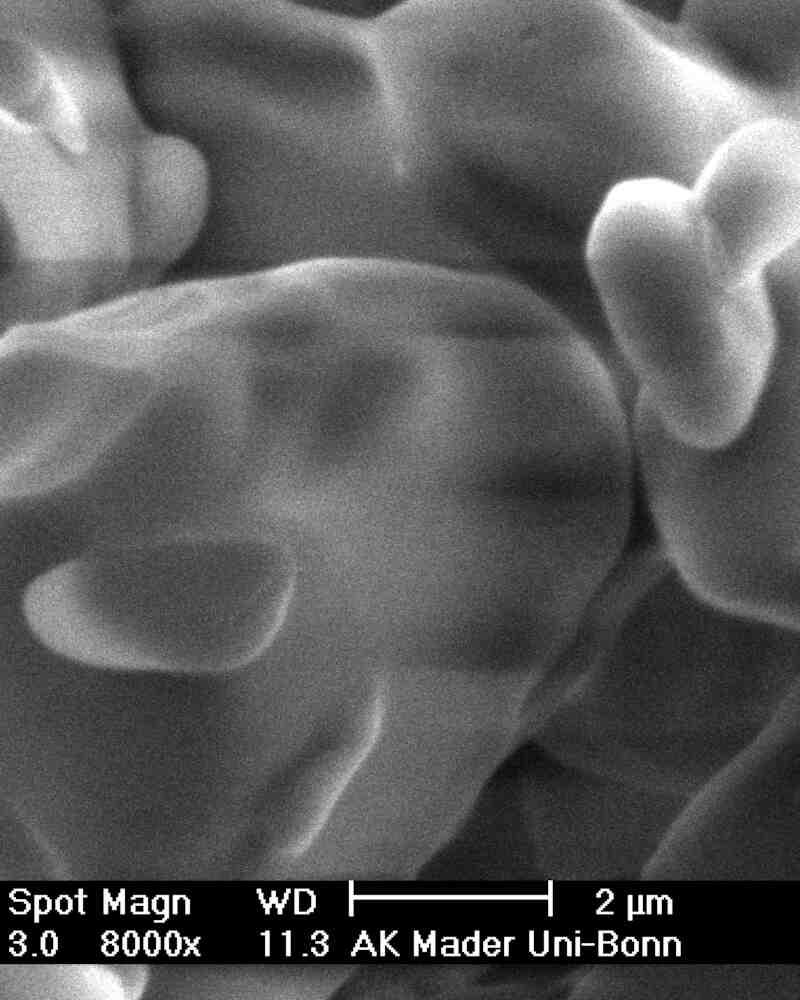
- Glass: binder-free sintered borosilicate glass with a low specific surface area; particularly suitable for organic compounds such as DOC and pesticides.
- Plastic: polyamide membrane on a porous plastic support; particularly suitable for inorganic compounds, phosphate, heavy metals and metalloids.
- Ceramic: robust and economical solution for weakly sorbing substances such as nitrate, chloride and bromide.
- For demanding analyses, pH, concentration range, ionic strength and sample matrix can also influence material suitability.
The table provides methodological guidance. At particularly low concentrations or for demanding target analytes, suitability should be assessed for the specific project.
Technical Information
ecoTech Two-Tube System
ecoTech suction cups use a two-tube design. This allows the vacuum at each individual suction cup to be monitored and the system to be completely emptied after sampling.
- vacuum control at each individual suction cup
- complete emptying of the tubing by venting
- no mixing of samples from different sampling events
- if required, the collection system can be flushed with N₂ or another gas to reduce oxidation processes
Typical Filter Data
| Material | Typical Filter | Bubble Point |
|---|---|---|
| Glass | Borosilicate glass, approx. 1 µm | min. 1000 hPa |
| Plastic | Polyamide membrane, 0.45 µm | min. 1000 hPa |
| Ceramic | Porous ceramic, approx. 1 µm | min. 1000 hPa |
Dimensions, shaft versions, tubing materials and other technical data depend on the individual product and are provided with the respective product information.
Vacuum and Sampling
- Vacuum level and control range are matched to the soil, sampler and experimental conditions.
- Mechanical and electronic vacuum control systems are available for different system concepts.
- Systems can be configured for individual sampling locations or larger monitoring installations.
- Tubing length, height difference, required sample volume and sampling interval influence system design.
Installation and Hydraulic Contact
- Good contact between the porous sampler and water-filled soil pores is essential.
- Suction cups can be installed at specific locations at different depths.
- For a clear area reference, suction plates should preferably be installed laterally beneath an undisturbed area of soil.
- For stony, very loose or highly heterogeneous soils, installation should be planned specifically for the project.
FAQ
- Can Suction Cups Be Used to Determine Solute Flux per Unit Area? Suction cups are very well suited to measuring concentrations and temporal changes at a sampling location. However, the actual volume of soil sampled is not precisely defined. Suction plates are generally better suited when a clearer area reference is required.
- Is Conditioning the Filter Material Sufficient? Conditioning can influence sorption effects, but it does not fundamentally eliminate material-dependent interactions. The material should therefore be selected from the outset to suit the target analytes.
- Can Suction Cups Be Installed at Multiple Depths? Yes. Installing several suction cups in different soil horizons is a typical approach for depth profiles and long-term monitoring.
- Is Ceramic a Universal Standard Solution? No. Ceramic is well suited to weakly sorbing substances such as nitrate, chloride and bromide. For phosphate, heavy metals and many organic compounds, glass or plastic is generally the more appropriate starting choice.
Related Applications
- Nitrate and DOC Discharge after Total Spruce Destruction Glass suction plates for investigating nitrate and DOC in the humus layer and mineral soil. View Application
- Leachate Monitoring in Permanent Field Experiment Plastic suction cups and vacuum control for investigating water and solute balances on arable land. View Application
- MSM Suction Plates in a Field Experiment Multi-segment suction plates and glass suction cups for spatially resolved water and DOC fluxes in the subsoil. View Application